
The Importance of Age-Appropriate VR Content
When introducing children to virtual reality, the right content is crucial. Age-appropriate VR content ensures kids encounter experiences suitable for their developmental stage, avoiding exposure to intense or unsuitable material. It encourages positive engagement, learning, and fun.
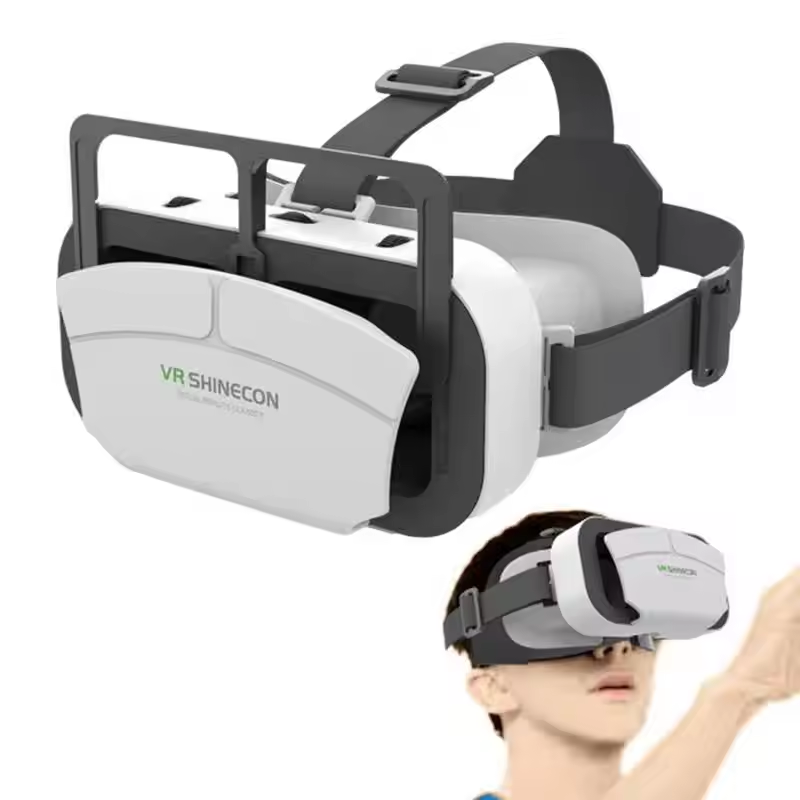
What to Look for in Kid-Friendly VR Content
- Educational Value: The best vr headsets for kids offer content that educates. These experiences should blend learning with play seamlessly.
- Non-Violent Themes: Content should be free of violence, focusing on peaceful and constructive scenarios that promote positive development.
- Interactive and Engaging: Kids love to be active participants. Look for content that encourages interaction rather than passive observation.
- Creativity Boosters: Programs that foster imagination and creativity are ideal. Creative content will keep children entertained while stimulating their minds.
- Familiarity and Relevance: Content that relates to the real world or books and stories they know can be engaging and reassuring for children.
Providing age-appropriate content is not just about filtering out the bad; it’s also about promoting the good. Positive VR experiences can support a child’s growth, making the best vr headsets for kids more than just gadgets—they become tools for learning and development. When picking a VR headset, ensure the device supports a wide array of suitable content. In our analysis of the best vr headsets for kids in 2025, we will delve into the devices that best meet these content criteria.
Safety Features to Consider for Kids’ VR Headsets
When scouting for the best VR headsets for kids, safety takes a front seat. It is essential not just to tick the boxes for age-appropriate content but also to check that the device itself poses no harm. Here are critical safety features to keep an eye out for:
- Strap Safety: A secure, adjustable strap is vital. It ensures the headset stays put during use, preventing falls or injuries.
- Weight Distribution: Kids’ headsets should be lightweight. This reduces pressure on the neck and head, offering a safer, more comfortable experience.
- Eye Protection: Look for headsets with adjustable optics. Protecting young, developing eyes from strain is paramount.
- Breathability: Good ventilation in the headset prevents overheating. Keeping the face cool is important for both comfort and safety.
- Cleanable Materials: Kids can be messy. Headsets made from easily cleanable materials aid in maintaining hygiene and prevent germs from spreading.
- Wireless Options: Cords can be a trip hazard. Wireless headsets eliminate this risk, making for a safer play environment.
- Emergency Release: The best VR headsets for kids will have a quick release mechanism. It allows for immediate removal of the headset if needed.
Ensuring that these safety features are in place can significantly improve the VR experience for kids. It helps in keeping them not just captivated and learning but also secure while they explore virtual worlds.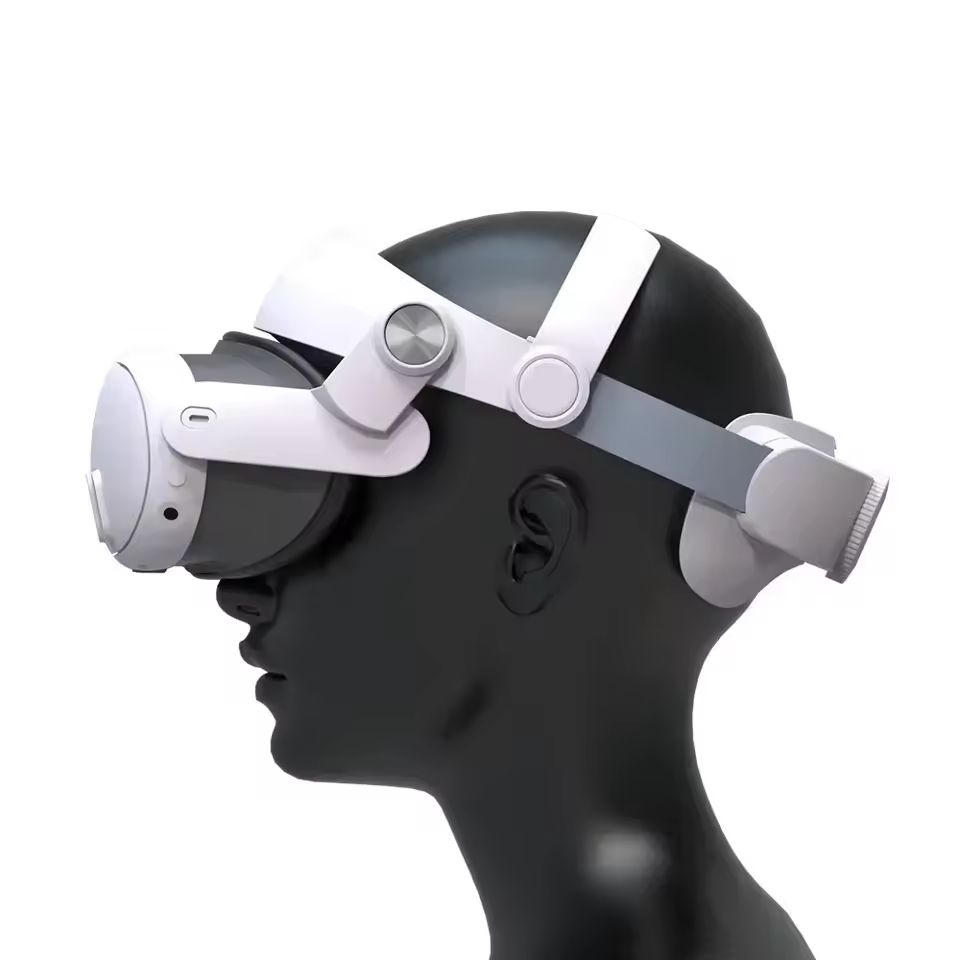
Comfort and Ergonomics for Smaller Heads
When choosing the best VR headsets for kids, comfort and ergonomics are paramount. Children have smaller head sizes, and a VR headset needs to accommodate this with proper adjustments. Here are essential points to consider:
- Adjustable Headbands: Headbands should be easily adjustable to snugly fit a child’s head without causing discomfort.
- Lightweight Design: A heavy headset can be cumbersome for a child. Seek out lightweight models to prevent neck strain.
- Soft Padding: Padding is crucial for comfort. Soft, cushiony materials will prevent the headset from irritating a child’s face.
- Compact Size: Headsets designed to be not too bulky are preferable for smaller heads, allowing for better movement and control.
- Child-Specific Designs: Some of the best VR headsets for kids are designed with fun, appealing aesthetics that also cater to ergonomics.
By focusing on these ergonomic features, children can enjoy an immersive VR experience without the added discomfort of an ill-fitting or heavy headset. Always check that any VR headset you consider is suited for the age and size of the child.
Durability and Materials Suitable for Children
When selecting the best VR headsets for kids, durability is a factor that cannot be overlooked. Kids are often less careful with their belongings, and the VR headset you choose must be able to withstand the rough and tumble of child’s play. Here’s what to keep in mind:
- Robust Build Quality: Look for headsets that boast strong construction. These devices should resist drops and knocks common during kids’ use.
- High-Quality Materials: The materials should be non-toxic and durable. Non-BPA plastics and hypoallergenic fabrics are preferable for children’s safety.
- Water and Dirt Resistance: As spills and smudges are inevitable, consider VR headsets that are easy to clean and can handle liquid exposure without damage.
- Flexible Components: Since kids are still growing and might share the device with siblings or friends, adjustable parts that can take a bit of stretching and bending are ideal.
- Simplified Design: Complex mechanisms can break easily. Simpler designs with fewer small parts help increase the headset’s lifespan.
Adhering to these criteria will ensure that the VR headset remains a lasting source of joy and educational experiences for children. When investing in the best VR headsets for kids, it’s wise to pick one that balances the enjoyment of immersive technology with the practicality needed for a child’s everyday activities.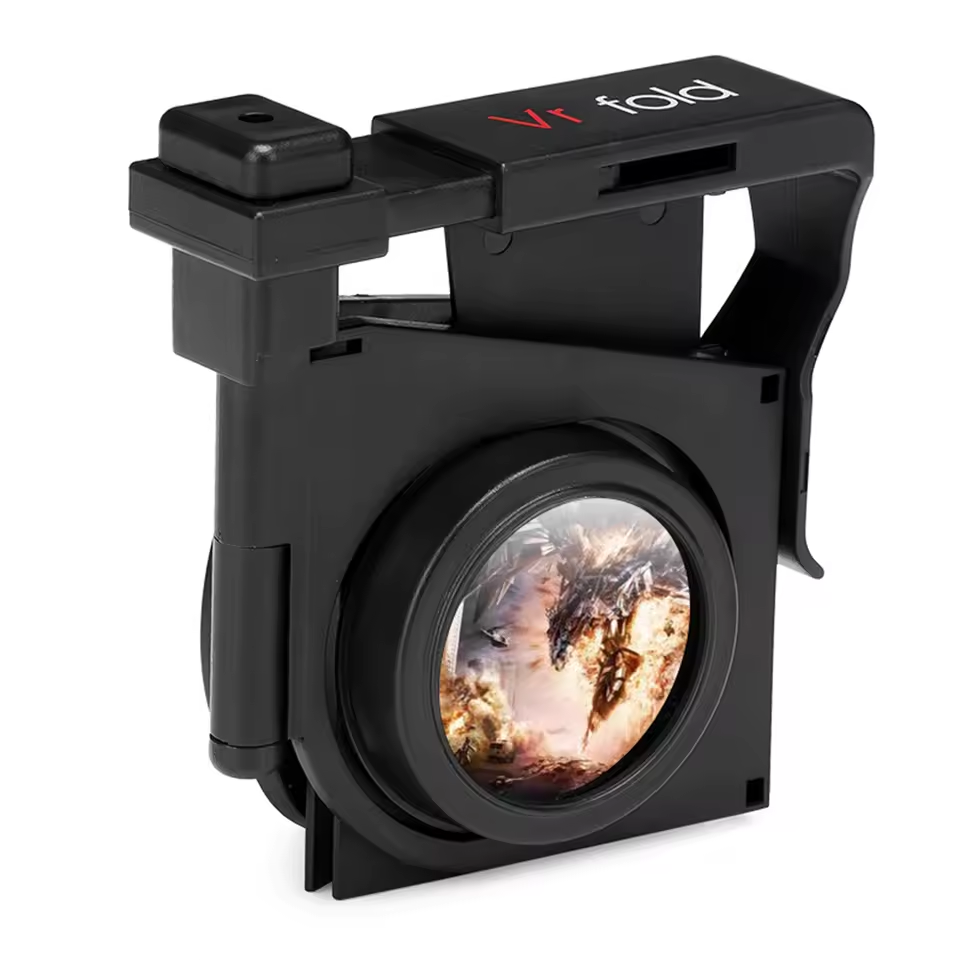
Popular VR Headsets for Kids on the Market in 2025
In 2025, the market abounds with options for VR headsets tailored for kids. As an SEO expert and professional blogger, I’ve noticed that parents and guardians focus on finding the best VR headsets for kids that score high on safety, comfort, and durability. Let’s explore some of the top contenders that have gained popularity among families this year.
- The Learn-o-Scope VR: This headset tops many lists with its educational slant. It comes preloaded with interactive learning games that merge play with knowledge acquisition.
- The KiddieView VR: The KiddieView VR excels in safety with a strap-and-release system that’s secure yet easy to use when necessary. Its eye protection features are also high-end.
- AdventureLand VR: Designed specifically for the little ones, AdventureLand VR features fun, child-friendly designs. It’s lightweight and durable, catering well to active users.
- The Pint-Sized Explorer: This headset stands out with its simple design that can withstand water spills and rough handling. Its soft padding ensures comfort for extended use.
- The Creative Realm VR: Here’s a headset that inspires creativity. It offers a diverse range of art and music experiences to boost imagination.
Each of these VR headsets provides a distinct set of features that focus on different aspects of virtual reality experience for children. From immersive educational content to durable and comfortable designs, these devices aim to deliver a safe and engaging virtual world for kids. When considering which device to purchase, it’s essential to weigh these features against your child’s specific needs. Remember, the best vr headsets for kids are those that not only appeal to them but also align with your values as a parent for safety and quality.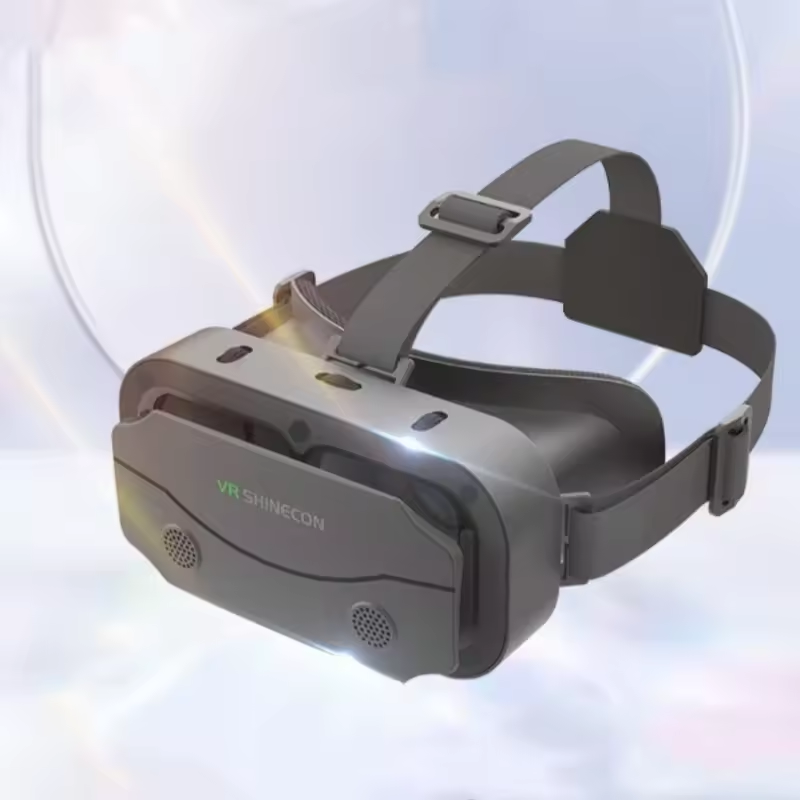
Educational and Fun VR Games and Apps for Children
Finding the best VR headsets for kids also includes looking at the available VR games and apps. Educational and fun should be the rule of thumb for this young audience, allowing playtime to also be an opportunity for learning and development. Here are what parents should consider when evaluating VR content for their children:
- Educational Apps: Those that teach skills like math, science, or languages in a fun way.
- Creative Games: Apps that allow room for artistic expression or music creation can be very engaging.
- Storytelling Adventures: Games centered around stories or exploration enhance imagination and problem-solving.
- Physical Activity: Encourage movement with games that require physical interaction and help improve motor skills.
- Social Interaction: Look for virtual spaces where kids can safely interact, play, and learn from each other.
The key is to choose games and apps that match the child’s interests while also supporting their growth. Developers are creating VR experiences that teach coding, history, and even virtual field trips. It’s a golden era for learning where the best vr headsets for kids can become interactive gateways to knowledge and exciting new experiences.
Parental Control Options in VR Devices
Parental control features are a pivotal aspect when choosing the best VR headsets for kids. Here are key features that ensure your child’s VR experience remains within safe boundaries:
- Usage Monitoring: Tools that allow parents to track how much time their child spends in VR.
- Content Filters: Systems to block inappropriate content based on age ratings or specific parameters.
- Remote Control Access: Parents should be able to adjust settings or exit games from another device if necessary.
- Approval Requests: A feature where kids must get parent approval to download new apps or games.
- Multi-User Profiles: Allows for custom settings tailored to different age groups within the same household.
- Social Activity Controls: Monitor and manage whom your child interacts with in social VR spaces.
These options equip parents with the tools to manage VR usage effectively. It’s essential to check that the best VR headsets for kids come with these functionalities. This gives parents peace of mind while children explore, learn, and play in virtual environments.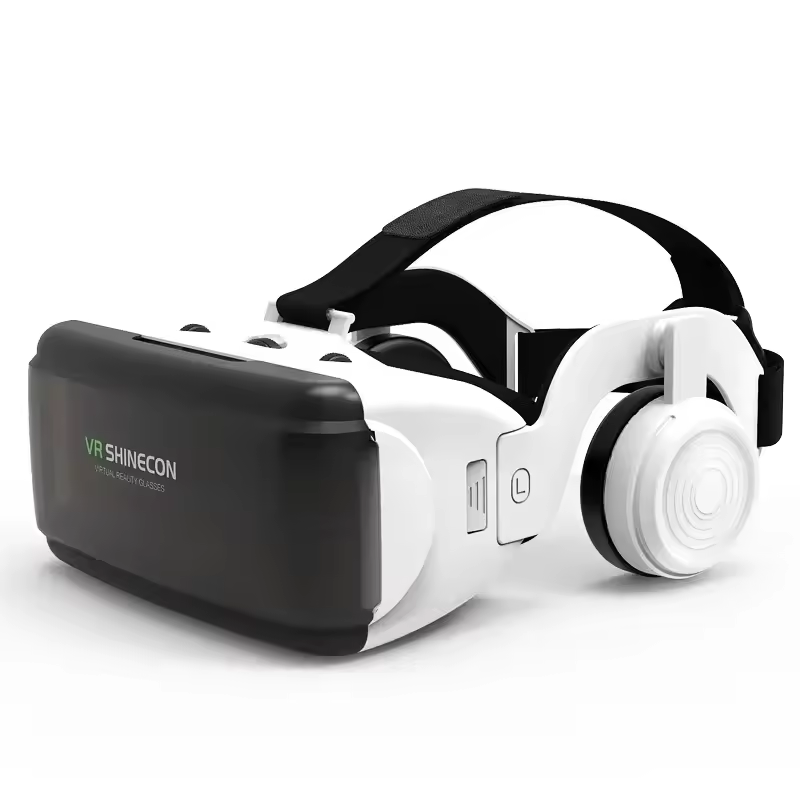
Price Comparison and Value for Money
When searching for the best VR headsets for kids, cost is a significant factor. Here’s how to gauge the value for your investment:
- Competitive Prices: Compare prices across brands. Look for competitive rates without compromising quality.
- Long-Term Durability: Investing in a durable VR headset can save money over time. Avoid cheaper, fragile models.
- Warranties and Support: Check if the headset comes with a warranty or customer support. This can prevent extra costs later.
- Bundled Content: Some headsets include free games and apps. These can provide extra value.
- Upgrade Potential: Consider if the VR headset can update with new features. This way, it won’t become obsolete quickly.
- Resale Value: If you plan to upgrade later, think about the resale value. Well-known brands may hold value better.
In 2025, the best VR headsets for kids offer more than just price savings. They provide a balance between cost, safety, durability, and educational benefits. Families should aim for a VR headset that delivers lasting fun and learning experiences, making every penny count. Remember to factor in not just the initial purchase price but also the potential long-term savings and benefits.
 Griley