
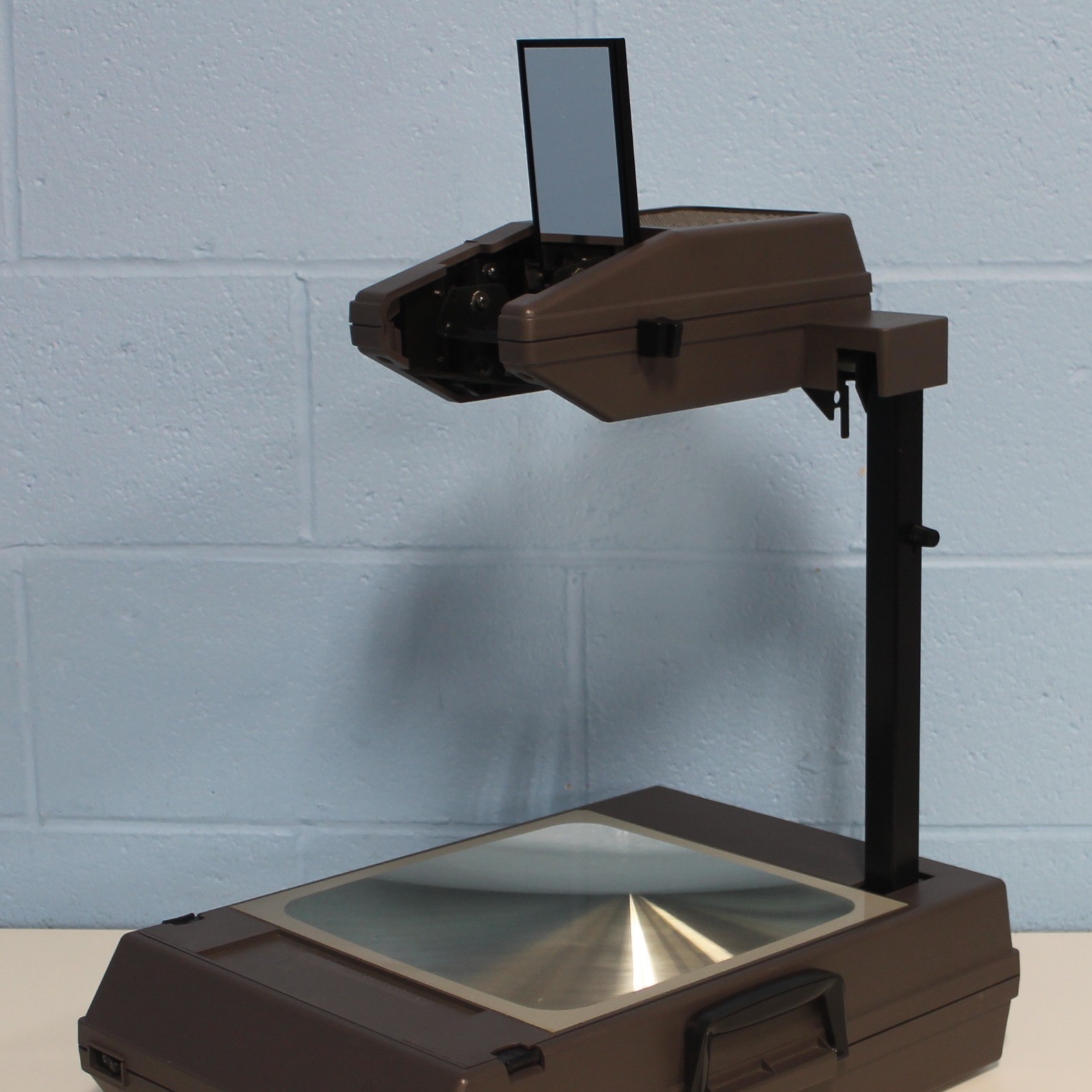
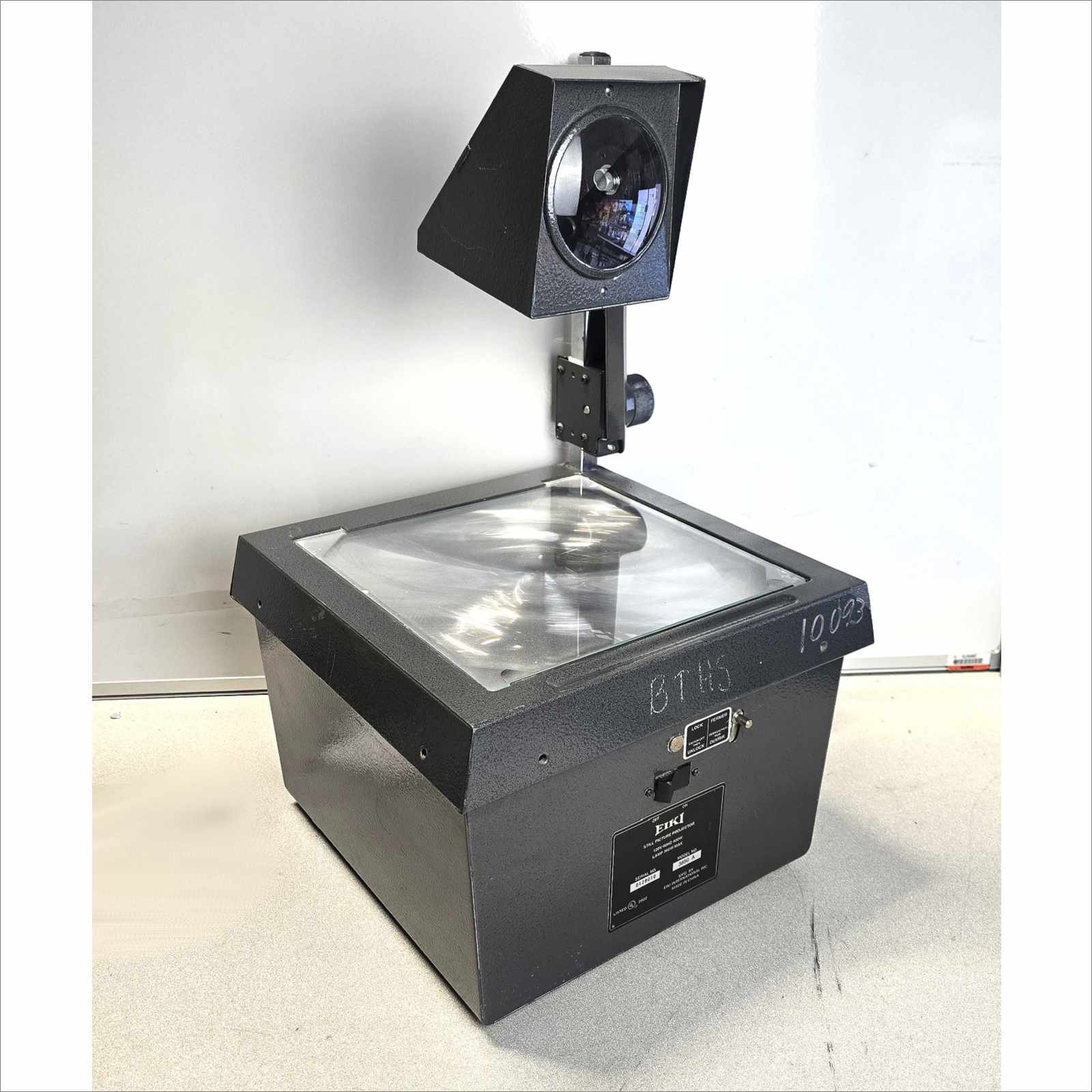
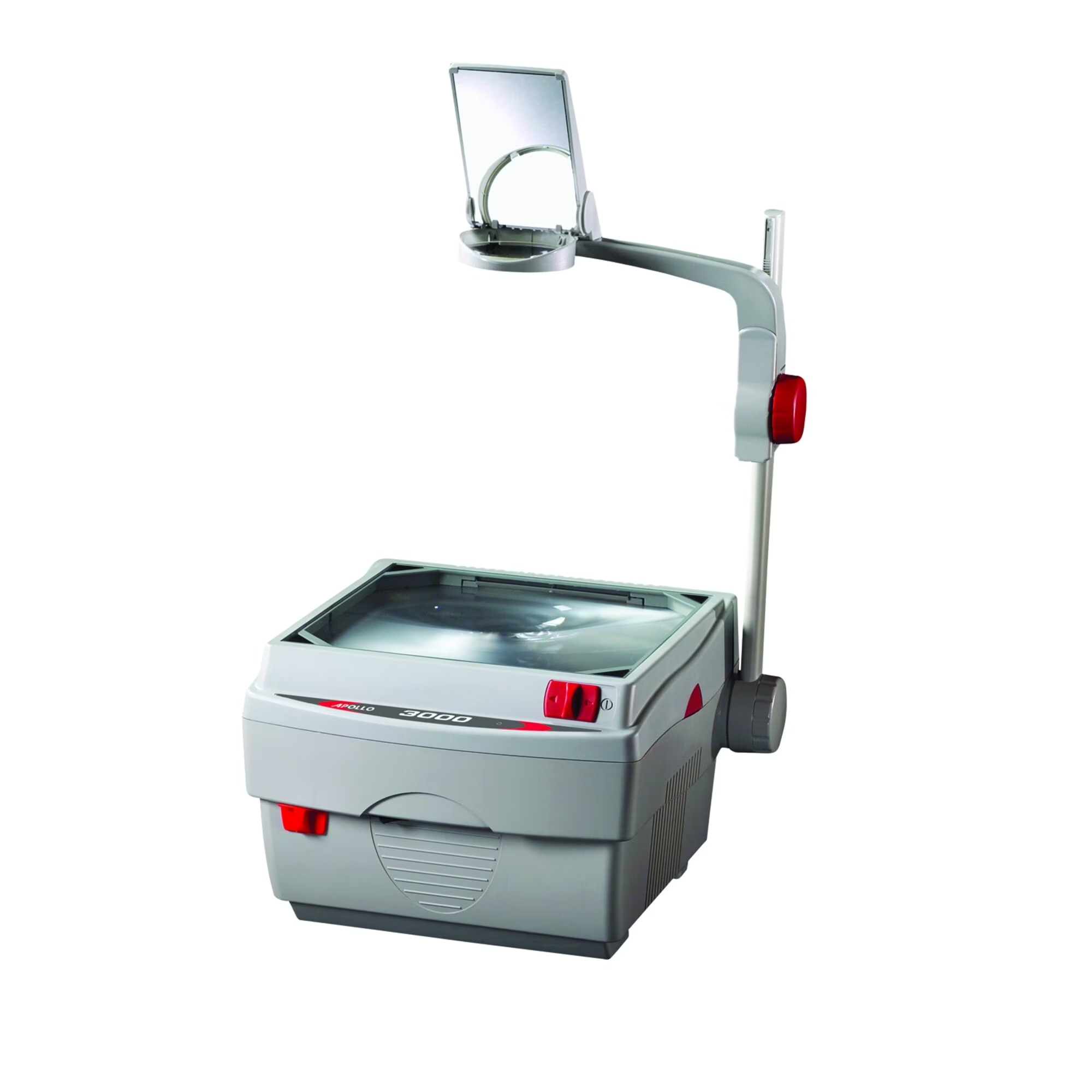
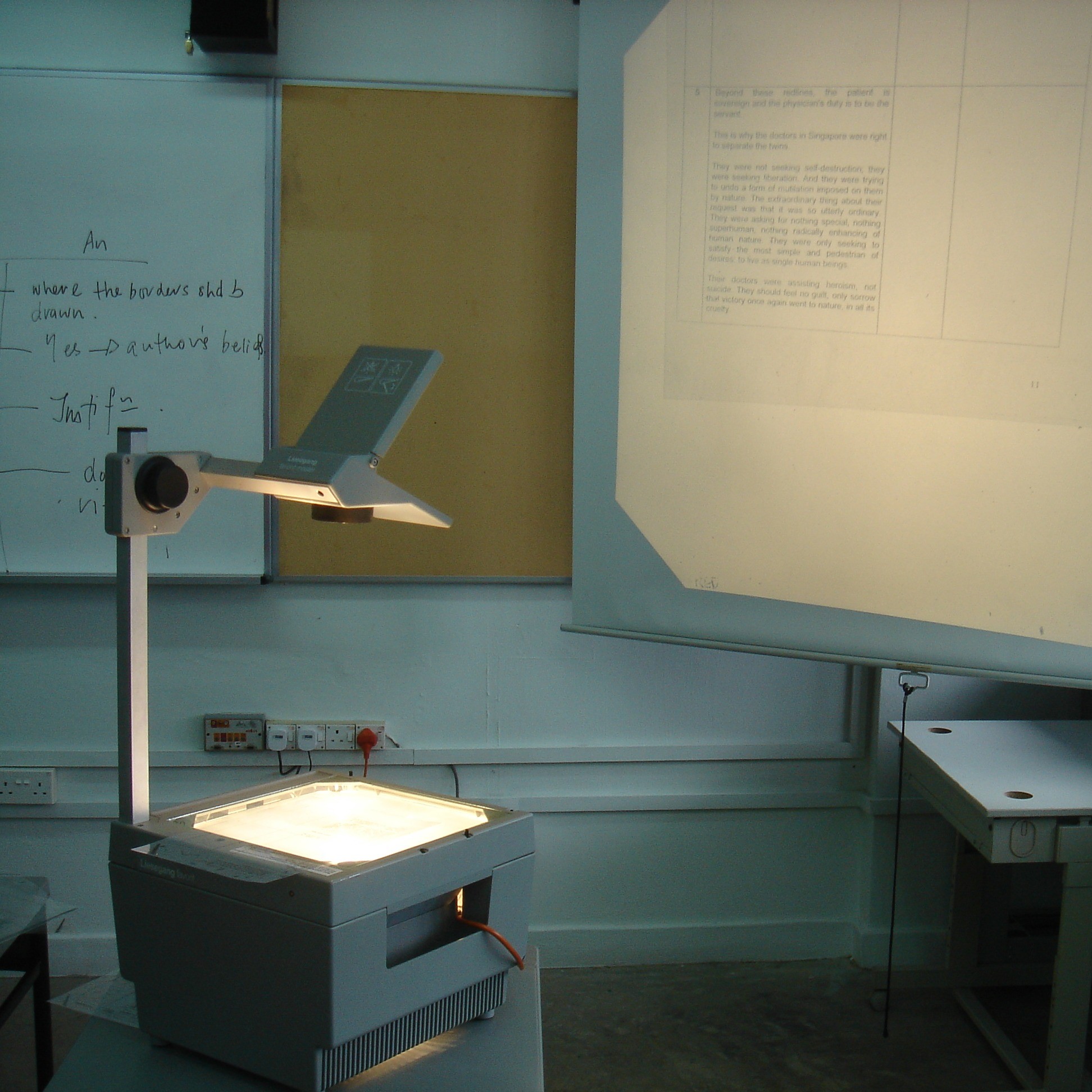
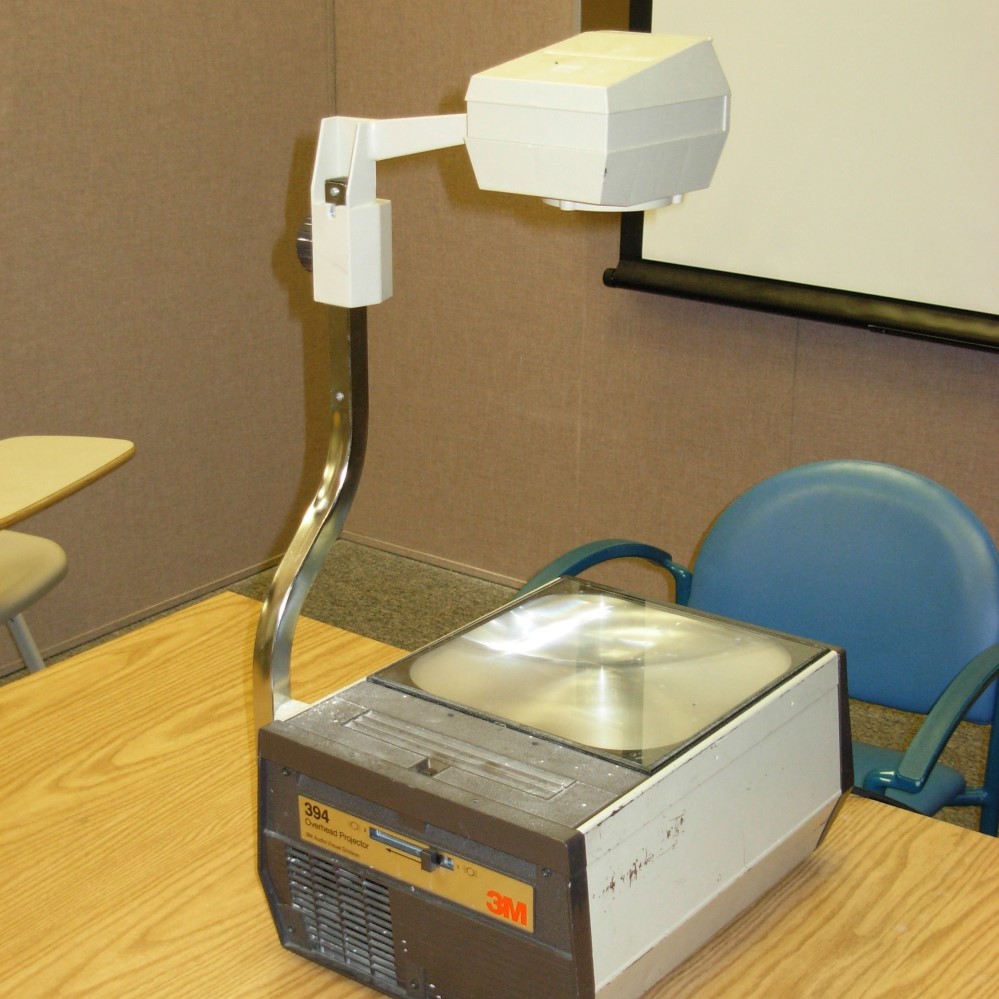
An overhead projector is a classic presentation tool. It uses bright light and lenses to display transparent slides onto a large screen. Many schools and offices relied on this device before digital projectors became common. Its design is simple yet effective. A powerful lamp shines upward through a glass stage. On top of that stage, users place transparent acetate sheets. These sheets contain written or printed content. Then, a mirror and lens system projects that image onto a wall or screen. This allows groups to view information simultaneously.
Overhead projectors were once standard equipment in classrooms. Teachers used them to present math problems. They also showed diagrams or reading passages. In business meetings, teams shared financial reports using the same method. The device required minimal technical knowledge. Anyone could operate it with little training. That ease of use made the overhead projector popular across many fields. Even today, some educators still prefer it for its reliability. It does not depend on software updates or internet connections. As a result, it remains functional in areas with limited technology access.
 Advantages of Using an Overhead Projector
One major benefit of the overhead projector is its durability. Unlike modern electronics, it has few components that can fail. There are no complex circuits or fragile screens. Most models only include a bulb, fan, mirror, and plastic housing. These parts are easy to replace when needed. For example, changing a burnt-out bulb takes just minutes. This simplicity reduces maintenance costs significantly. Schools with tight budgets find this especially valuable.
Another advantage is real-time interaction. Educators can write directly on transparencies during class. This allows them to respond to student questions instantly. They may highlight key points as they speak. Or they can solve equations step by step. Such live annotations keep students engaged. Digital tools often require pre-prepared files. But the overhead projector supports spontaneous teaching. Presenters in training sessions use this feature too. They might draw flowcharts while explaining processes. This dynamic approach improves understanding. Overall, the overhead projector promotes active learning better than static slides.
Comparing Overhead Projectors to Digital Alternatives
Digital projectors have largely replaced overhead projectors in many settings. They offer higher resolution and support video playback. However, the overhead projector still holds unique strengths. One key difference is setup time. Digital systems often need calibration. They require connecting laptops, adjusting inputs, and loading files. In contrast, an overhead projector works immediately. Just turn it on, place the transparency, and begin. This speed matters in fast-paced environments.
Another distinction lies in accessibility. Not all institutions can afford advanced AV equipment. Some rural schools lack reliable electricity. Others cannot maintain sensitive digital devices. The overhead projector functions well under such conditions. It operates on basic power sources. Its transparencies do not require special software to create. Teachers can write notes by hand. Students can read them clearly from a distance. While digital tools offer more features, they also bring complexity. The overhead projector remains practical where simplicity is essential. Therefore, it continues to serve communities that value function over flashiness.
 How Overhead Projectors Support Interactive Learning
Teachers use overhead projectors to encourage participation. They place blank transparencies on the stage. Then, they invite students to come forward and write answers. This turns lessons into collaborative activities. Pupils feel involved when their work appears on the big screen. Immediate feedback helps reinforce learning. Mistakes become teaching moments visible to all.
In science classes, instructors layer transparencopies to show changes over time. For instance, they might overlay animal cell structures gradually. Each layer reveals a new organelle. This builds understanding piece by piece. Similarly, history teachers can map the expansion of empires. They use colored markers to indicate territorial growth. These techniques make abstract ideas concrete. The overhead projector becomes a visual storytelling tool. It transforms passive listening into active discovery. Students remember concepts better when they see them unfold.
Maintaining and Repairing
Regular cleaning keeps an overhead projector working efficiently. Dust collects on the glass stage and lens. This reduces image clarity. Users should wipe these surfaces gently with a soft cloth. Avoid using harsh chemicals. Isopropyl alcohol works well in small amounts. Cleaning once a week prevents buildup. Also, check the cooling fan regularly. It prevents overheating during long sessions. Make sure vents are not blocked by papers or books.
Bulb replacement is another routine task. Most lamps last between 50 to 100 hours. When brightness fades, it’s time for a new one. Turn off the device and let it cool completely. Then, open the housing according to the manual. Remove the old bulb carefully. Install the new one without touching the glass surface. Oils from fingers can shorten its lifespan. After installation, test the projector immediately. Keep spare bulbs and fuses on hand. This minimizes downtime in critical situations. Proper care extends the life of each unit significantly.
 Creative Uses Beyond Traditional Teaching
While commonly associated with education, the overhead projector serves other purposes. Artists use it for tracing and enlarging sketches. They place drawings face-down on the stage. Then, they project the outline onto canvas or paper. This technique aids in scaling designs accurately. Some install the device upside down for better control. The sharp light helps capture fine details.
In theater productions, designers project scenic elements onto backdrops. They create moving shadows or simulated windows. Event planners use overhead projectors for ambient lighting. Colored gels placed on transparencies produce decorative effects. Parties and exhibitions benefit from this low-cost method. Even photographers experiment with it for light painting. By manipulating transparencies mid-exposure, they generate unique images. These creative applications prove the overhead projector’s versatility. It adapts easily to non-traditional needs. Its potential goes far beyond classroom lectures.
 Frequently Asked Questions
Can I still buy new overhead projectors today?
Yes, although they are less common now. Some educational suppliers still stock them. Online marketplaces carry both new and refurbished units. Manufacturers like Epson and Panasonic produced models until recently. While production has slowed, demand keeps some inventory available. Buyers should look for sellers specializing in legacy AV equipment.
Used models appear frequently on auction sites. Prices vary based on condition and brand. Older units often work perfectly if maintained. Check reviews and ask about bulb life before purchasing. Some companies even offer warranties on reconditioned devices. With careful selection, acquiring a working overhead projector is still feasible.
Are transparencies still being manufactured?
Absolutely. Several office supply brands continue making acetate sheets. They sell packs designed specifically for overhead projectors. These transparencies handle heat well. Standard inkjet or laser printers can print on them. Users must select the correct printer setting to avoid smudging. Handwriting with permanent markers remains the most popular method.
Transparencies come in different sizes and finishes. Matte versions reduce glare. Clear ones provide sharper contrast. Bulk purchases lower the cost per sheet. Some craft stores sell generic acetate rolls. These can be cut to fit standard trays. As long as overhead projectors exist, transparencies will remain in production. Their affordability ensures ongoing availability.
What should I do if my projector overheats?
Overheating usually results from poor ventilation. Always place the unit on a flat, open surface. Never cover the sides or back. Ensure the cooling fan runs when powered on. If the fan is silent, unplug the device immediately. Let it cool down for at least thirty minutes. Then inspect the air intake slots. Remove dust with compressed air.
Frequent overheating may signal internal issues. A failing fan motor needs professional repair. Excessive heat damages the lens and wiring. To prevent this, limit continuous use to one hour. Take breaks between presentations. Never block exhaust vents with books or papers. Keeping the environment cool also helps. Use ceiling fans or open windows when possible. Preventive habits extend the projector’s operational life.
Is it safe to look into the light of an overhead projector?
No, direct exposure to the lamp is unsafe. The bulb emits intense brightness and heat. Staring into it can cause eye discomfort or temporary vision issues. Always position the projector so the beam faces the screen. Never aim it toward people. Keep hands and objects away from the light path.
When replacing the bulb, wait until the unit cools. Wear gloves to protect skin from hot parts. Use manufacturer-recommended replacements only. Incorrect bulbs may overheat or shatter. Supervise children around the device at all times. Teach them not to touch the top or peer into the base. Safety precautions ensure trouble-free operation.
Tips for Maximizing Your Experience
Use high-contrast colors for better visibility. Black or dark blue ink shows up best. Avoid yellow or light gray text. Test your transparency before presenting. View it from the back of the room. Adjust font size so distant viewers can read easily. Write neatly and leave space between lines. Cluttered slides confuse audiences.
Organize multiple transparencies in advance. Number them lightly in the corner. Stack them in presentation order. This avoids fumbling during talks. Use overlays to build complex images gradually. For example, start with a country’s outline. Add cities, then roads, then climate zones. This layered method enhances comprehension. Practice timing so transitions feel smooth.
 Conclusion
The overhead projector remains a valuable tool despite technological advances. It offers unmatched simplicity and reliability. Educators appreciate its interactive nature. Businesses value its low operating cost. Artists and event planners discover new uses every day. Its role may have diminished, but it hasn’t disappeared.
As long as there are spaces without stable Wi-Fi or updated computers, the overhead projector will endure. It empowers users who need straightforward solutions. It teaches us that innovation doesn’t always mean replacement. Sometimes, older tools adapt and survive. The overhead projector proves that functionality lasts longer than trends. Whether in classrooms or studios, it continues to shine—literally and figuratively.
 Charlotte