
Understanding Face Shape and Frame Harmony
Matching Frames to Your Facial Structure
One of the most important steps in how to choose sunglasses for female wearers is identifying face shape. This helps narrow down suitable frame styles. Common shapes include round, oval, square, heart, and diamond. Each responds differently to certain designs.
For round faces, angular frames add definition. Square or rectangular shapes create balance. They extend the face visually. Avoid overly round lenses that enhance softness.
Square faces benefit from rounded frames. Oval or circular styles soften strong jawlines. The goal is to reduce boxiness. Lightweight materials keep the look airy.
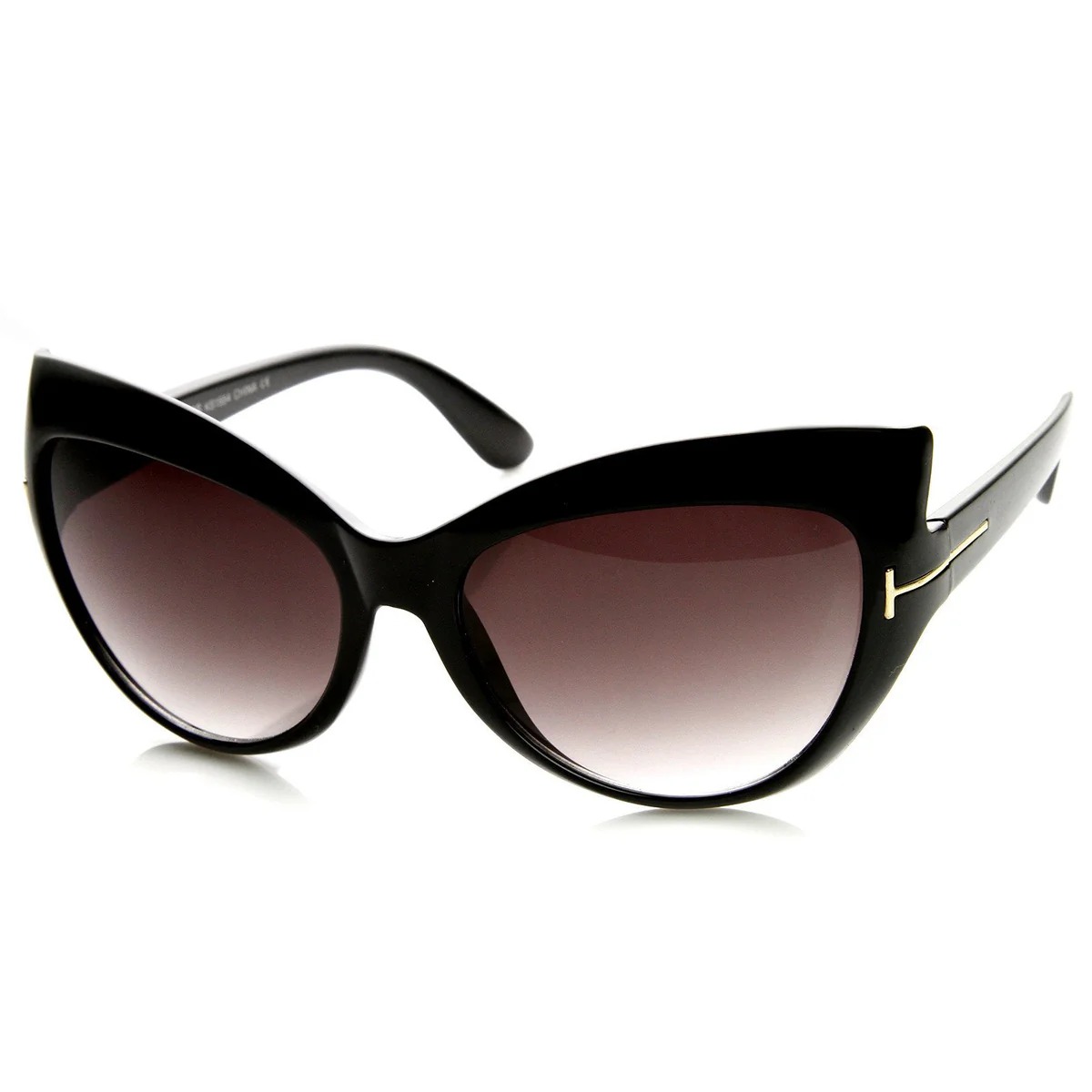
Oval faces are lucky. Most styles work well. Cat-eye, aviator, and oversized frames all suit this shape. Focus shifts to personal taste and outfit pairing. Still, proportions matter.
Heart-shaped faces do best with frames wider at the bottom. This balances a broad forehead. Round or rimless styles help too. Temple thickness should not overpower the chin.
Proportions and Scale Matter
Frame size must match facial dimensions. Oversized sunglasses look dramatic. But they can overwhelm smaller features. Petite faces need compact or mid-sized frames.
Lenses should not extend beyond the face’s outer edges. Width alignment keeps symmetry. Too wide or too narrow breaks visual flow. Always test fit before buying.
Bridge fit is often overlooked. It should rest comfortably on the nose. No pinching or sliding is acceptable. Adjustable nose pads improve comfort.
Temple arms must wrap gently behind ears. They shouldn’t press or leave marks. Flexible hinges adapt to head shape. These details ensure long-term wearability.
A proper fit prevents slipping during movement. Active lifestyles demand secure frames. Even slight adjustments make a big difference. Confidence grows when glasses stay in place.
 Lens Types and UV Protection
Prioritizing Eye Health and Clarity
When learning how to choose sunglasses for female needs, lens quality comes first. All sunglasses should block 100% of UVA and UVB rays. This protects against sun damage. Long-term exposure harms eyes and skin.
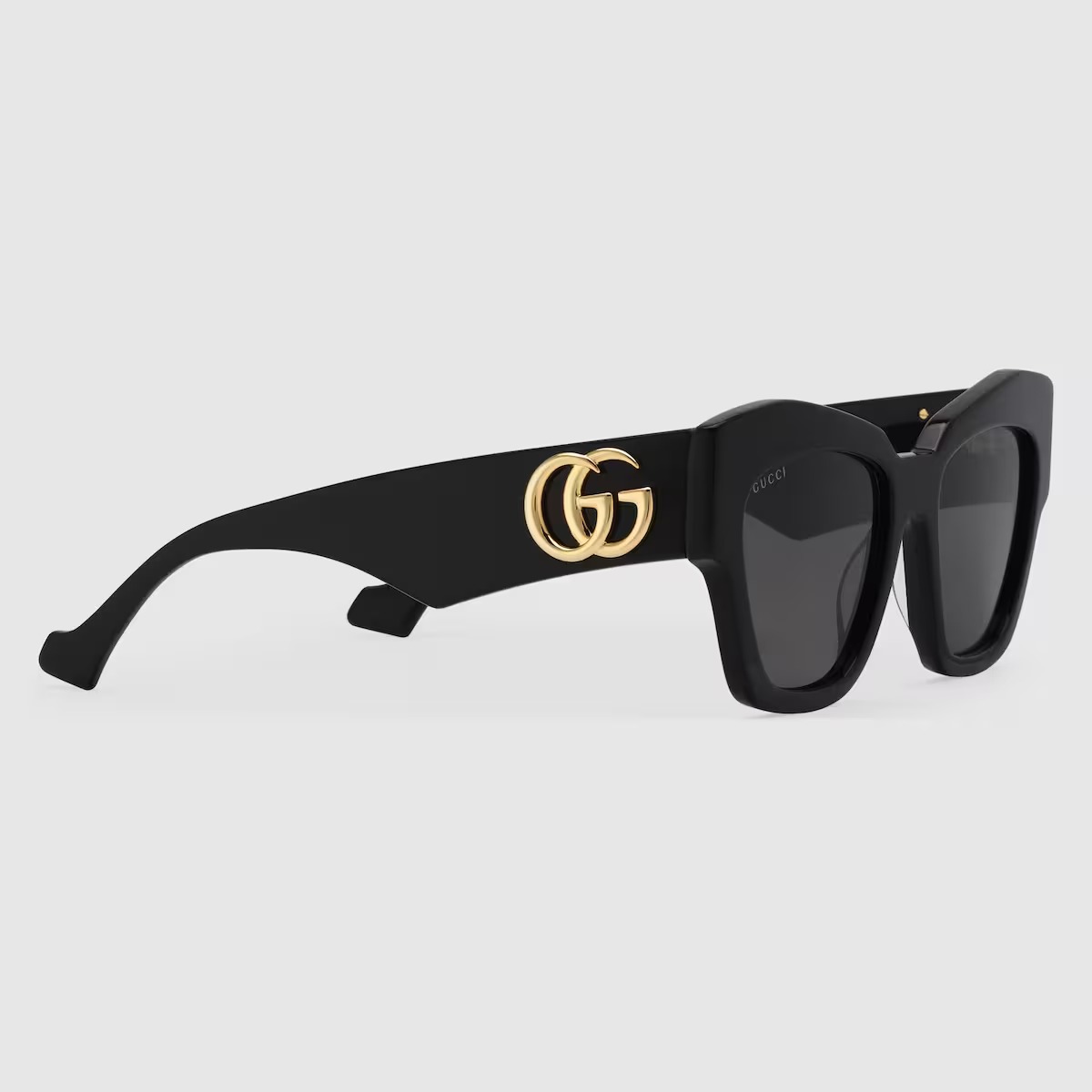
Polarized lenses reduce glare significantly. They help near water, snow, or roads. Reflections disappear from car hoods and puddles. Vision becomes sharper and more comfortable.
Anti-scratch coatings increase durability. Lenses last longer with daily use. Smudges are easier to clean too. Water-repellent layers prevent fogging in humid weather.
Tint color affects perception. Gray tints preserve true colors. Brown enhances contrast. Green offers good clarity and depth. Yellow works best in low light. Choose based on environment.
Lens Shapes and Functional Benefits
Lens curvature impacts peripheral vision. Flat lenses may limit side view. Slightly curved ones improve awareness. Wraparound styles offer even more coverage.
Gaps around the eyes let in sunlight. Side shields or close-fitting frames solve this. Full coverage protects delicate skin near eyes. This reduces wrinkles and sunspots.
Mirrored lenses reflect bright light. Great for high-altitude or beach settings. They also add a bold fashion statement. Interior tints remain visible underneath.
Photochromic lenses adjust to light changes. They darken in sunlight. Indoors, they stay clear. Convenient for people moving between spaces frequently.
Always check for optical clarity. Distorted vision means poor lens quality. Look at straight lines through the glass. Any waviness indicates a defect. Never compromise on safety.
 Frame Materials and Durability
Lightweight and Comfortable Options
Material choice affects both comfort and longevity. Acetate is popular for its rich colors and shine. It molds well to facial curves. This creates a custom-like feel.
Plastic frames are affordable and versatile. They come in many patterns and finishes. Matte, glossy, translucent—options abound. Easy to match with outfits.
Metal frames offer slim profiles. Stainless steel and titanium resist corrosion. They are ideal for sporty or minimalist looks. Thin wires don’t distract from facial features.
Nylon-based frames are ultra-light. Often used in performance sunglasses. They flex without breaking. Perfect for active women who hike, cycle, or run.
Hinges matter too. Spring-loaded versions last longer. They withstand daily opening and closing. Reinforced joints prevent loosening over time.
Balancing Strength and Style
Durability should never sacrifice aesthetics. High-quality materials blend both. Well-made frames maintain shape after years. Cheap ones warp or crack easily.
Look for solid construction. Screws should be tight and flush. No wobbling at the joints. Hinges move smoothly but securely.
Frames should survive minor drops. Impact resistance is essential. Polycarbonate lenses and TR90 nylon bodies excel here. They bounce back from stress.
Coatings protect against wear. UV inhibitors prevent fading. Scratch-resistant layers guard surfaces. These treatments extend product life.
Even stylish frames must endure real life. Coffee spills, pocket storage, and travel take a toll. Choosing tough yet beautiful sunglasses makes sense. A how to choose sunglasses for female guide must include resilience.
 Fashion Trends and Personal Expression
Seasonal Styles and Color Choices
Sunglasses follow fashion cycles. Each season brings new trends. Spring favors pastels and floral prints. Summer loves bright hues and reflective finishes.
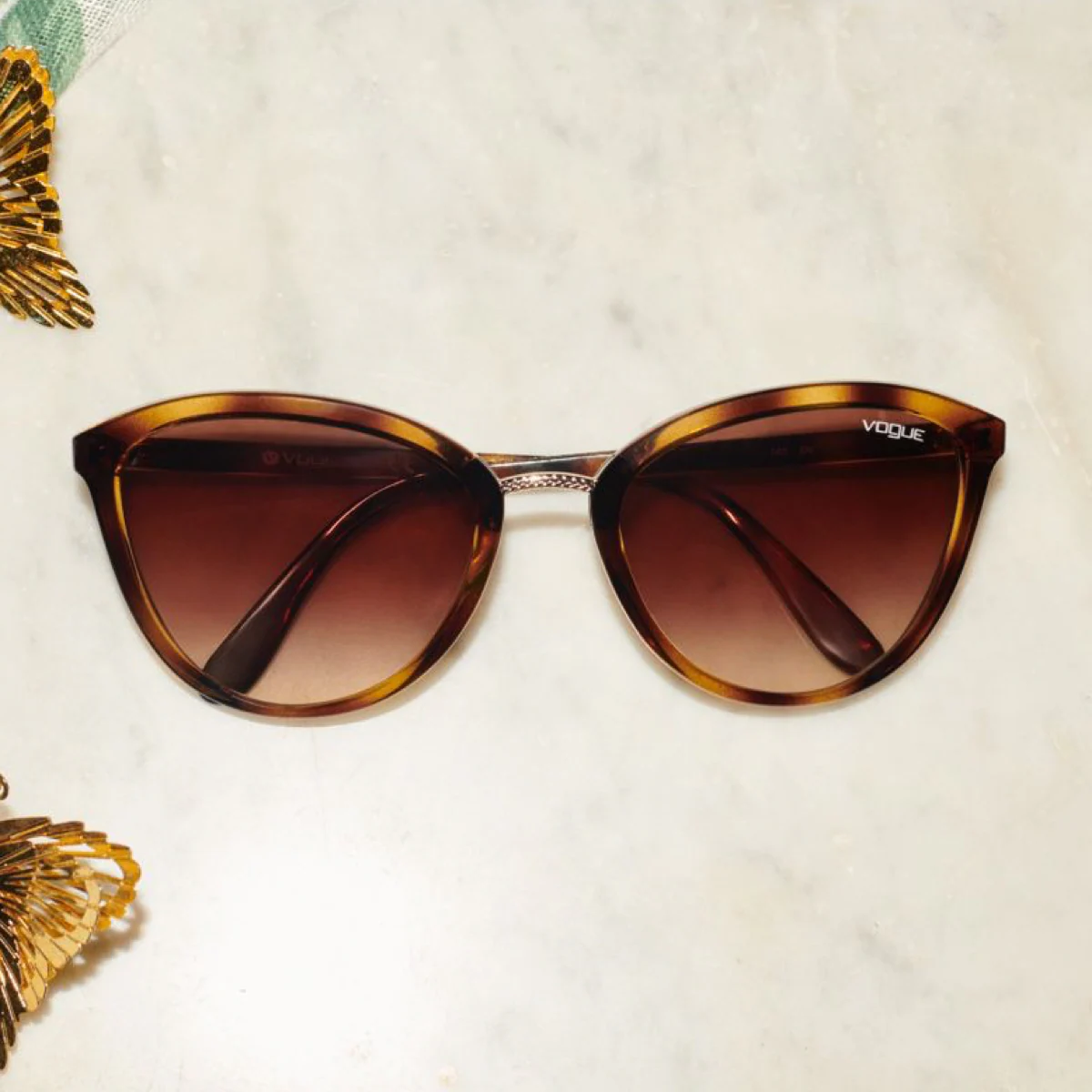
Fall introduces deeper tones. Burgundy, tortoiseshell, and olive appear. Winter leans toward metallics and bold silhouettes. Keeping up adds fun to wardrobes.
Classic black and brown never go out of style. They pair with everything. Denim, dresses, suits—they all work. Timeless options suit minimalists.
Transparent frames are trending. Clear or smoky lenses create modern appeal. They look sleek with casual and formal wear. Edgy yet professional.
Reflecting Personality Through Design
Sunglasses express identity. Bold choices show confidence. Cat-eye shapes suggest vintage flair. Round frames hint at artistic tastes.
Sporty women prefer streamlined designs. Wraparounds with rubber grips stay put. Minimal logos keep focus on function.
Romantic styles feature delicate details. Floral engravings, pearl accents, or gold trim. These suit bohemian or elegant moods.
Professional settings call for subtlety. Neutral colors and clean lines project seriousness. Oversized shades in dark tones still make a statement. Power dressing includes eyewear.
Ultimately, how you feel matters most. If a frame makes you smile, it’s a winner. Confidence radiates when you love what you wear. Fashion starts with self-trust.
Functionality for Lifestyle Needs
Active Use and Outdoor Adventures
Women on the move need secure sunglasses. Wraparound frames stay in place during activity. Rubber nose pads prevent slipping. Adjustable temples lock behind ears.
Polarized lenses help on trails, lakes, or ski slopes. They cut glare from snow and water. Vision stays sharp in changing light. Safety improves during sports.
Lightweight materials reduce fatigue. Long hikes demand comfort. Ventilation prevents fogging. Airflow channels minimize moisture buildup.
Impact-resistant lenses protect eyes. Dust, wind, and debris are common outdoors. Full coverage models shield from all angles.
Choose models with retention cords. They stop drops during jumps or climbs. Easily attached to temple arms. Peace of mind during adventure.
Daily Wear and Urban Living
City dwellers value convenience. Foldable or compact frames save space. Pockets, purses, and glove compartments accept them. No bulky cases needed.
Quick transitions matter. Moving from shade to sun happens often. Photochromic lenses adapt automatically. No need to switch pairs constantly.
Style must match streetwear. Denim jackets, trench coats, or summer dresses—all require coordination. Neutral frames mix and match easily.
Public transit users avoid losing gear. Secure fits prevent falls. Magnetic clips hold sunglasses safely. Some bags have dedicated pockets.
UV exposure remains high in cities. Tall buildings reflect sunlight. Sidewalks bounce rays upward. Protection is needed even in alleys or parks.
 Where to Buy and What to Look For
Trusted Retailers and Online Stores
Buying from reputable sources ensures quality. Department stores carry major brands. Sales associates help with fit and style. In-person trials beat guesswork.
Online shops offer variety. Websites list frame dimensions clearly. Customer reviews reveal real experiences. Return policies allow testing at home.
Specialty eyewear stores provide expert advice. Opticians know face shape rules. They suggest options based on lifestyle. Custom fittings are available.
Brand websites sell directly. Authenticity is guaranteed. Limited editions appear online first. Newsletter subscribers get early access.
Avoiding Counterfeits and Low-Quality Copies
Fake sunglasses flood the market. They mimic designer looks. Labels seem correct at first glance. Prices appear too good to be true.
Check for UV protection labels. Real ones state “100% UVA/UVB protection.” Missing tags mean danger. Fake lenses may worsen eye strain.
Weight reveals clues. Counterfeits feel flimsy. Genuine frames have balanced heft. Materials should not creak or bend.
Logo placement must be precise. Spelling errors indicate fakes. Stickers peel off easily on copies. Packaging lacks detail.
When in doubt, buy from authorized dealers. Register your purchase if possible. Keep receipts for proof. A how to choose sunglasses for female decision must prioritize health.
Frequently Asked Questions
How Do I Know My Face Shape?
Look in a mirror with hair pulled back. Trace the outline with soap. Compare to standard shapes. Round, square, heart, oval, or diamond.
Use a photo for better accuracy. Front-facing pictures show proportions. Measure width, jawline, and forehead. Apps can analyze facial structure.
Should Sunglasses Match My Outfit?
They can, but don’t have to. Neutral frames go with everything. Bright colors add contrast. Coordinate with accessories like bags or shoes.
Have multiple pairs for different looks. One classic, one trendy, one sporty. Rotate based on mood or occasion.
Are Expensive Sunglasses Worth It?
Often, yes. Better materials and optics cost more. Durability increases. Comfort improves over time. Designer brands may charge for status too.
Affordable options exist. Many perform well. Focus on UV protection and fit. Price does not always equal quality.
Can I Wear Sunglasses Indoors?
Not usually. It’s considered rude in social settings. Exceptions include medical conditions. Very bright indoor lighting may justify use.
Never wear them during conversations. People feel disconnected. Eye contact builds trust. Remove them when speaking.
Do Lens Colors Affect Vision Differently?
Yes. Gray keeps colors natural. Brown boosts contrast. Green offers sharpness. Yellow brightens dim light. Choose based on activity.
How Often Should I Replace Them?
Every two to three years. Lenses degrade over time. Coatings wear off. UV protection fades. Frames lose shape. Regular updates ensure safety.
Can I Use Prescription Lenses?
Yes. Many frames accept prescription inserts. Clip-ons or magnetic versions work too. Some brands offer RX-ready models. Talk to an optician.
Are There Eco-Friendly Sunglasses?
Yes. Recycled plastics and wood frames exist. Brands use sustainable packaging. Bamboo, cork, and ocean plastic are common. Support green initiatives.
 Final Thoughts on Making the Right Choice
Confidence Through Smart Selection
Learning how to choose sunglasses for female wearers involves more than fashion. It blends health, comfort, and expression. The right pair enhances every moment.
Protection comes first. UV defense is non-negotiable. Then fit, then style. Follow this order for lasting satisfaction.
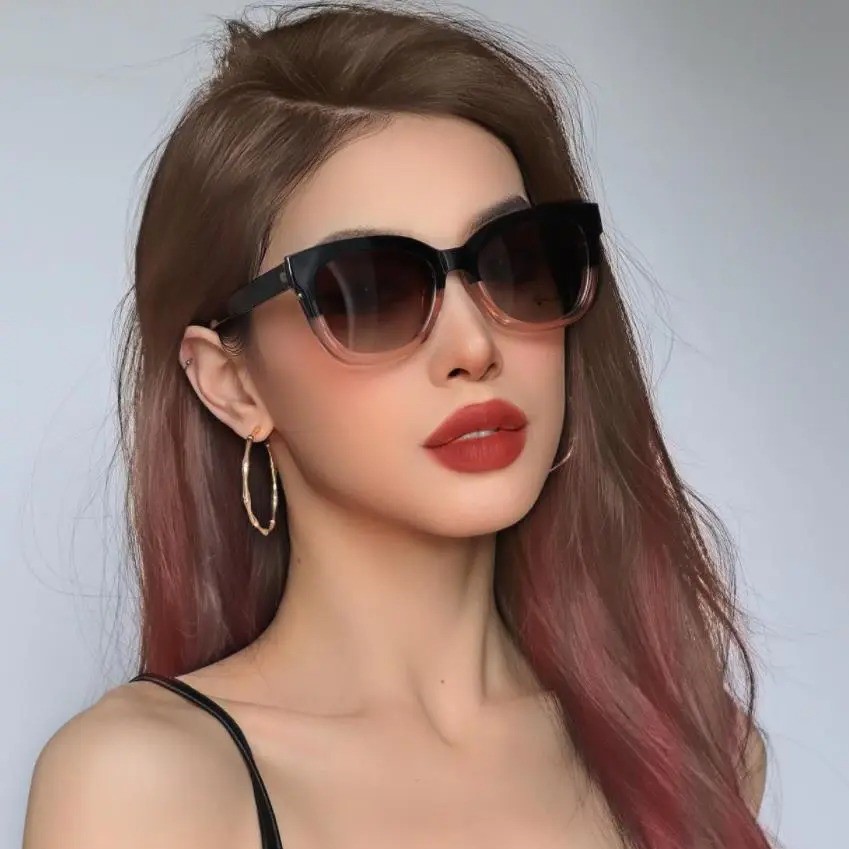
Try many styles before deciding. Hold them up to your face. Step back and observe. Ask for honest opinions. Trust your instincts.
Lasting Value of a Thoughtful Purchase
A great pair lasts years. It survives trends and seasons. Memories attach to favorite frames. Vacations, weddings, daily commutes—they’re all part of the story.
And as you continue asking how to choose sunglasses for female needs, remember—style, safety, and self-expression must align. The best choice is the one that makes you feel truly seen.